How Nutrition Plays a Crucial Role in a Cow 
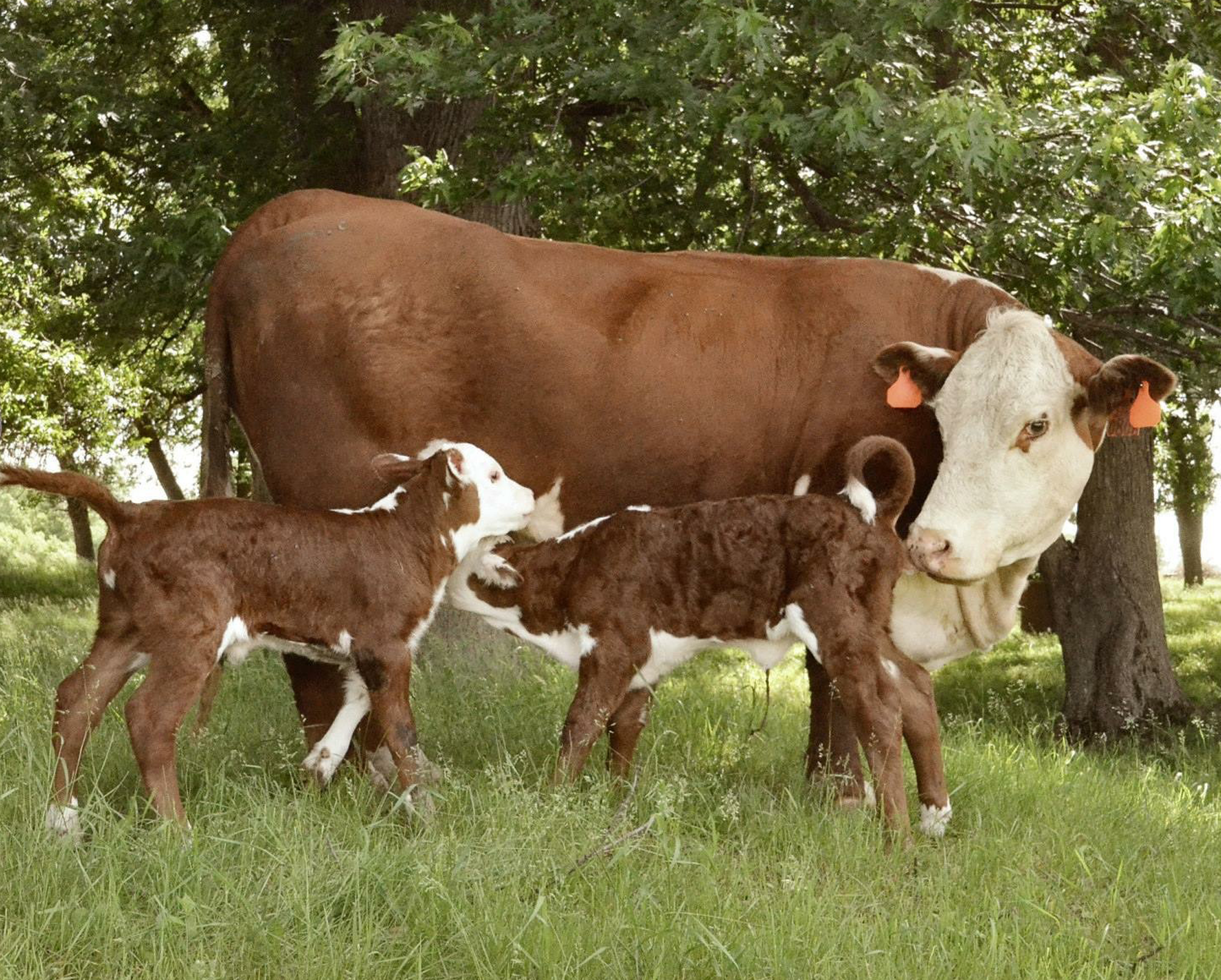
Twinning in cattle—when a cow gives birth to two calves—is a fascinating but relatively rare event. Naturally occurring in only 1-5% of pregnancies, depending on breed and management, twin births are more common in dairy cows (up to 5-9% in high-producing Holsteins) than in beef cattle (around 1-2%). While twins can boost calf output and potentially improve herd efficiency, they often come with challenges: higher risks of dystocia (difficult calving), retained placenta, lower calf survival rates, and increased metabolic stress on the cow.
Nutrition plays a pivotal role in both increasing the likelihood of twinning and supporting a successful twin pregnancy. Optimal feeding influences ovulation rates, embryo survival, fetal development, and the cow's overall health. Factors like body condition, energy intake, protein levels, minerals, and forage quality all contribute. In this blog, we'll explore how targeted nutrition can affect a cow's chances of conceiving and carrying twins healthily.
1. The Importance of Body Condition Score (BCS)
Body Condition Score (BCS) is one of the most reliable indicators of a cow's nutritional status and reproductive potential. Measured on a 1-9 scale (1 being emaciated, 9 obese), BCS reflects energy reserves stored as fat.
Cows in moderate to good condition (BCS 5-7 at breeding) are more likely to experience double ovulation—the primary cause of fraternal twins. This happens because adequate fat reserves support higher insulin and growth factor levels, which stimulate follicular development and increase the chance of releasing multiple eggs. Studies show that cows on a rising plane of nutrition (gaining condition before breeding) have elevated twinning rates, as improved energy status enhances fertility.
In contrast, thin cows (BCS below 5) often have single ovulations and lower conception rates due to energy deficits suppressing reproductive hormones. Overly fat cows (BCS above 7-8) may face issues like reduced feed intake and metabolic problems, potentially lowering embryo survival.
Maintaining optimal BCS involves monitoring throughout the year. Aim for BCS 5-6 at calving for beef cows and slightly higher for dairy. Regular scoring—visually assessing ribs, spine, hooks, and tailhead—helps adjust feeding. For herds aiming to encourage twinning (e.g., in selective breeding programs), gradually improving condition pre-breeding through better pasture or supplements can pay off.
2. Protein and Energy: Fueling Multiple Ovulations and Embryo Development
Energy and protein are the cornerstones of reproductive success. A diet rich in these nutrients supports hormonal balance, follicle maturation, and early embryo survival—all critical for twinning.
"Flushing"—increasing energy intake 2-4 weeks before and during breeding—mimics a rising plane of nutrition and can boost ovulation rates by 10-20% in some cases. High-energy feeds raise blood glucose and insulin, promoting the release of IGF-1 (insulin-like growth factor), which encourages multiple follicles to ovulate.
Protein is equally vital. Adequate crude protein (10-14% of diet, depending on stage) ensures proper uterine environment for embryo implantation. Deficiencies lead to higher embryo loss, especially in multiple pregnancies where competition for nutrients is intense.
In high-producing dairy cows, greater energy mobilization for milk often correlates with higher twinning due to metabolic signals favoring double ovulation. For beef cows, supplementing with grains or protein-rich legumes during flushing can enhance results.
However, balance is key—excess energy without protein can cause issues like acidosis. Always base rations on forage testing and cow needs.
3. Minerals and Vitamins: The Micronutrient Boost for Fertility
While macronutrients grab headlines, minerals and vitamins are essential for reproductive health and twinning potential.
Key players include:
- Selenium and Vitamin E: Antioxidants that protect embryos from oxidative stress; deficiencies increase early embryo mortality.
- Copper and Zinc: Support enzyme functions in hormone synthesis and ovulation.
- Calcium and Phosphorus: Vital for bone development in fetuses and preventing milk fever in the cow post-calving.
- Vitamin A: Crucial for epithelial health in the reproductive tract.
Deficiencies in these can impair fertility, reduce conception rates, and heighten twin pregnancy losses. For instance, low selenium is linked to retained placentas, more common in twin births.
Supplementing via mineral blocks, injections, or fortified feeds—especially in regions with soil deficiencies (common in parts of Africa, including Kenya)—can improve outcomes. Regular blood or forage tests guide supplementation, avoiding toxicities.
4. Nutrition During Gestation: Meeting Higher Demands for Twins
Once conceived, twin pregnancies demand significantly more nutrients. Energy requirements rise 50-70% compared to singletons, yet twin-carrying cows often have reduced dry matter intake due to uterine pressure and shorter gestations (about 5-7 days less).
This mismatch heightens risks of negative energy balance, ketosis, and fatty liver. Protein needs also increase to support dual fetal growth—twins are often smaller individually but total fetal mass is greater.
Best practices:
- Introduce higher-energy close-up rations earlier (4-8 weeks pre-calving) and extend the transition period.
- Feed denser rations with quality concentrates to compensate for lower intake.
- Monitor BCS closely; aim to prevent excessive loss (no more than 1 point drop).
In dairy herds, earlier dry-off for twin carriers allows better recovery. For beef, provide superior pasture or hay plus supplements.
Adequate nutrition here ensures stronger calves and healthier cows, reducing complications.
5. Forage Quality: The Foundation of Nutritional Success
High-quality forage underpins everything. Nutritious pastures or hay with good digestibility, protein (12-18%), and energy provide the bulk of requirements.
Poor forage forces reliance on supplements and stresses reproduction. Lush, legume-rich pastures naturally flush cows, improving condition and ovulation.
Rotate grazing, fertilize soils, and test forages regularly. In dry seasons, conserved high-quality silage or hay maintains status.
Final Thoughts: Balancing Nutrition for Twinning Success
Nutrition profoundly influences a cow's ability to conceive and carry twins—from promoting double ovulations through optimal condition and flushing to sustaining demanding gestations. While genetics set the baseline, thoughtful feeding maximizes potential and mitigates risks.
Whether in dairy or beef operations, consult a nutritionist, monitor BCS, and tailor rations. In regions like East Africa, where forage variability is high, strategic supplementation is key.
Healthy, well-fed cows not only increase twinning chances but thrive overall—leading to productive, resilient herds.





.jpg)


Comments
Post a Comment