As Uganda approaches its highly anticipated general elections on January 15, 2026, the government has implemented drastic measures to control digital communications. On January 13, 2026, the Uganda Communications Commission (UCC) issued a directive ordering a temporary suspension of public internet access, new SIM card registrations, and outbound data roaming services to neighboring countries. This move, effective from 6:00 PM local time, has sparked widespread concern about freedom of expression, access to information, and the fairness of the electoral process.
Uganda Election 2026: Change or continuity?
Ugandans queuing to vote in previous elections – a scene set to repeat on January 15, 2026, amid digital restrictions.
What Exactly Has Been Suspended?
The UCC directive targets all licensed Mobile Network Operators (MNOs) and Internet Service Providers (ISPs) in Uganda. Key measures include:
- Complete suspension of public internet access: This covers mobile data, fiber optic connections, fixed wireless, satellite services, and more.
- Halt on sale and registration of new SIM cards: No new activations or swaps allowed during this period.
- Disable outbound data roaming to One Network Area (ONA) countries: ONA includes neighboring nations like Kenya, Rwanda, and South Sudan, meaning Ugandan subscribers cannot use data services while roaming in these countries.
Exemptions are in place for critical infrastructure, including:
- National healthcare systems
- Core banking and financial networks
- Government administrative portals (e.g., immigration, Uganda Revenue Authority)
- Electoral Commission secure systems for voter verification and results tabulation
- Utilities, aviation, and railway control networks
The suspension will remain until the UCC issues a restoration notice, potentially extending beyond polling day.
Official Reasons Behind the Internet Shutdown
The UCC cited a "strong recommendation" from the Inter-Agency Security Committee, emphasizing national security concerns. The primary justifications are:
- Curbing the spread of misinformation and disinformation
- Preventing electoral fraud
- Stopping incitement to violence that could undermine public order
Executive Director Nyombi Thembo stressed that these steps are necessary to maintain confidence in the electoral process during a sensitive period.
President Yoweri Museveni, seeking to extend his rule beyond 40 years, faces strong opposition, notably from Bobi Wine (Robert Kyagulanyi) of the National Unity Platform.
Q&A: Uganda's Museveni on staying in power, rights abuses ...
President Yoweri Museveni, incumbent since 1986, campaigning for re-election in 2026.
Uganda's main opposition leader Bobi Wine 'seriously injured ...
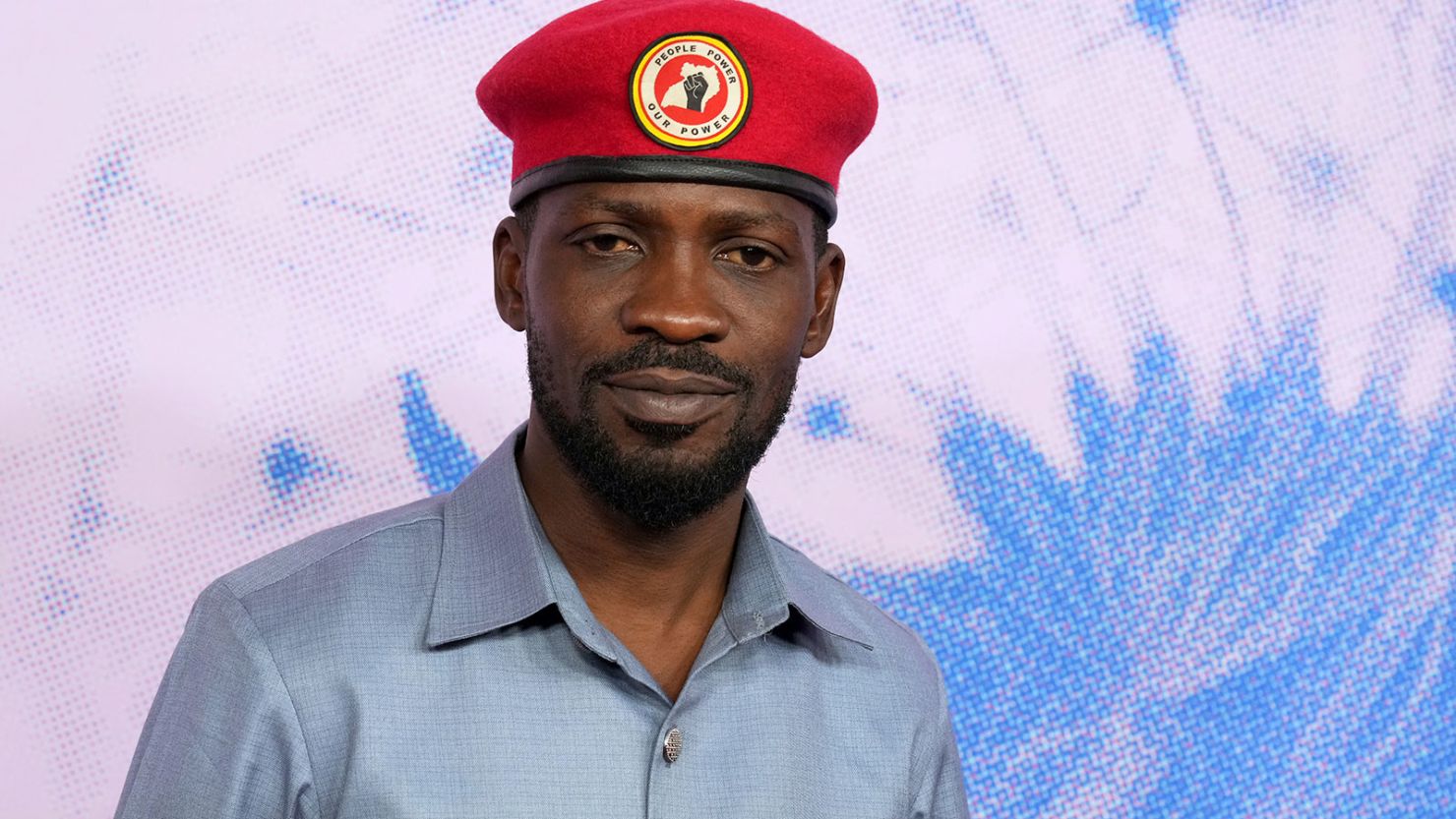
Bobi Wine, the main opposition leader, whose supporters rely heavily on digital mobilization.
Historical Context: A Repeat of 2021 Tactics?
This is not Uganda's first internet blackout during elections. In the 2021 general elections, the government imposed a full internet shutdown lasting over 100 hours, coinciding with social media blocks that began earlier. The 2021 restrictions were widely criticized and estimated to have cost the economy approximately UGX 390 billion (about $105 million USD).
Facebook has remained blocked in Uganda since 2021, forcing users to rely on VPNs – which have occasionally faced threats of crackdowns.
The 2026 measures appear more targeted than a total blackout but still significantly limit public access. Satellite provider Starlink has also faced pressure to comply with licensing, limiting bypass options.
Journalism Blocked, Information Seized: A tale of how internet ...
Illustration representing the impact of internet shutdowns on information flow.
Impacts on Citizens, Economy, and Regional Connectivity
With over 10.6 million internet users in Uganda, the shutdown disrupts daily life profoundly:
- Communication blackout: Families, businesses, and journalists lose real-time connectivity.
- Opposition challenges: Digital platforms are crucial for opposition campaigns, especially for Bobi Wine's youth-driven movement.
- Economic losses: Businesses relying on online transactions, freelancers, and e-commerce face immediate halts.
- Regional effects: The outbound roaming suspension affects cross-border workers, traders, and travelers in Kenya, Rwanda, and South Sudan – key partners in the East African Community.
Human rights groups argue that shutdowns create information vacuums, potentially worsening misinformation rather than preventing it.
How Bangladesh Protesters Defied Internet Shutdown With VPNs
Protesters in other contexts using VPNs to bypass internet restrictions – a common workaround Ugandans may attempt.
International and Domestic Reactions
Reactions have been swift and critical:
- Access Now and #KeepItOn coalition: Urged the government to maintain unrestricted access, warning that shutdowns silence dissent and hinder election monitoring.
- African Commission on Human and Peoples' Rights: Expressed concern over escalating restrictions on media freedom and internet access.
- Opposition voices: Bobi Wine and supporters have long anticipated such measures, preparing offline mobilization strategies.
- UN Human Rights Office: Raised alarms about repression ahead of the polls.
Domestically, while the government frames this as a security necessity, critics view it as an attempt to control the narrative in a tightly contested election.
What Can Ugandans Do? Workarounds and Advice
Many users are turning to VPNs, though authorities have previously warned against their use for bypassing blocks. Offline tools like Bluetooth sharing and radio remain vital alternatives.
For those in neighboring countries, local SIM cards may become essential due to the roaming suspension.
A Test for Uganda's Democracy
The 2026 Uganda internet shutdown and roaming restrictions highlight the ongoing tension between national security claims and democratic freedoms. As voters head to polls on January 15, the world watches whether these measures ensure order – or undermine transparency.
Internet access is a fundamental enabler of free and fair elections in the digital age. Restrictions like these raise serious questions about information equity and civic participation.
Stay informed through official channels and verified sources. The electoral period remains fluid, and restoration timelines are uncertain.


.jpg)


Comments
Post a Comment