In Kenya, a nation where faith plays a central role in daily life, religion has often been a source of comfort, community, and moral guidance. However, recent events and ongoing trends reveal a darker side: the misuse of religion for personal gain, political manipulation, and even extremism. From fraudulent pastors exploiting vulnerable followers to politicians hijacking pulpits for campaigns, these abuses erode public trust and exacerbate social divisions. This blog explores how religion is misused in Kenya, drawing on real cases, expert analyses, and calls for reform, while emphasizing the need for balanced regulation to protect citizens without infringing on religious freedoms.
As we delve into this topic in 2026, it's clear that incidents like the Shakahola massacre continue to spark debates on oversight. Understanding these issues is crucial for fostering a society where faith serves the people, not exploits them.
Religious Exploitation: Fake Pastors and Financial Scams
One of the most pervasive forms of religious misuse in Kenya involves self-proclaimed religious leaders who exploit followers for financial gain. These "fake pastors" promise miracles, healing, and prosperity in exchange for hefty donations, often targeting the poor and desperate. Reports highlight how such leaders use psychological manipulation and authoritarian control to amass wealth, turning places of worship into profit-driven enterprises.
For instance, cases of spiritual abuse include demanding exorbitant "seed offerings" or staging fake healings to build followings. This exploitation is not new; it stems from a lack of regulation, allowing charlatans to thrive amid economic hardships. Atheists in Kenya have voiced concerns about intolerance and discrimination, noting that non-believers face stigma while religious fraud goes unchecked.
In coastal regions like Kilifi, recent reports show students being forced to recite foreign prayers for food donations, blurring the lines between aid and indoctrination. Such practices highlight how poverty makes communities vulnerable to external influences disguised as charity.
To illustrate the scale of this issue, consider these common tactics employed by exploitative leaders:
- Promising Instant Wealth: Followers are urged to "sow seeds" (donate money) for divine financial blessings, often leading to debt.
- Fake Miracles: Staged healings or exorcisms draw crowds and donations, preying on health crises in underserved areas.
- Authoritarian Control: Leaders demand unquestioning obedience, isolating members from family and critical thinking.
These abuses not only drain resources but also undermine genuine faith communities.
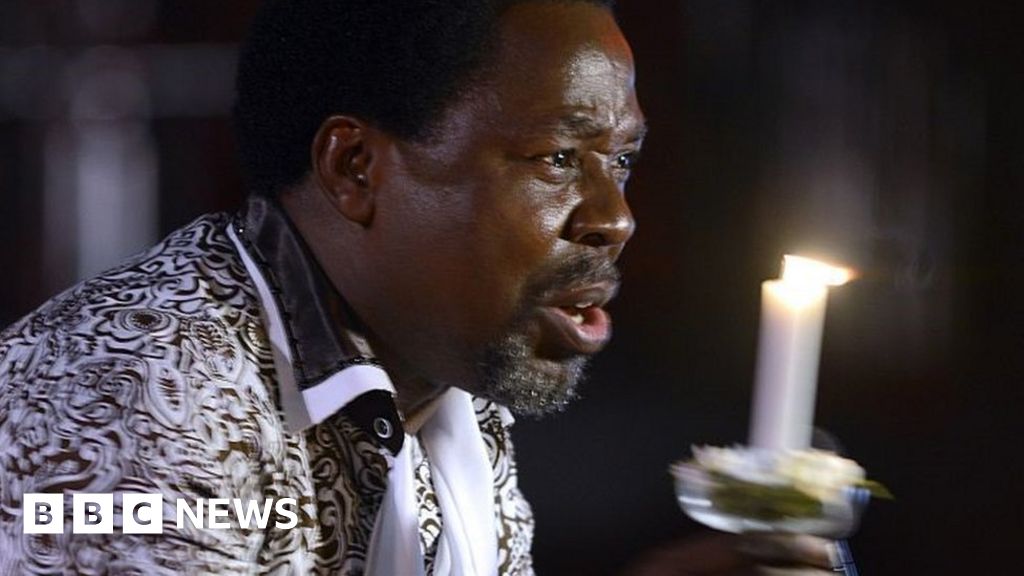
TB Joshua: The Nigerian outsider who became a global televangelist ...
Political Manipulation: Churches as Campaign Stages
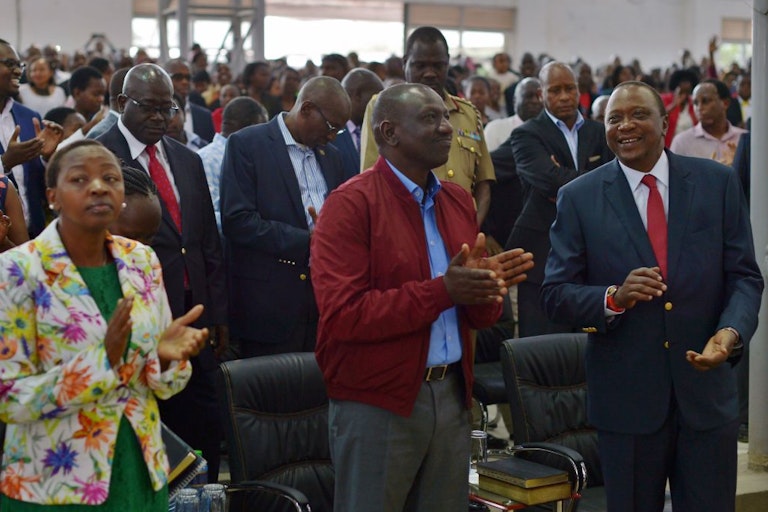
Religion's intersection with politics in Kenya is another area rife with misuse. Politicians frequently donate large sums—often suspected to be from corrupt sources—to churches, effectively buying influence and voter support. This turns sacred spaces into political arenas, where sermons mix with campaign rhetoric.
A notable example is how clergy opposed the 2010 constitution, influenced by foreign evangelicals, framing it as promoting abortion and homosexuality to sway public opinion. Today, leaders like President William Ruto have been accused of using religious platforms for self-promotion, with churches clearing halls for VIP entrances amid public backlash.
This politicization sanitizes corruption; as one analysis notes, politicians misuse religious premises to advance self-interests, eroding the church's prophetic role. Critics argue that educated Kenyans, rather than the devout masses, are most blinded by this dynamic, outsourcing moral accountability to flawed institutions.
Recent X discussions emphasize boycotting churches that accept "stolen money" from politicians, urging a separation of altar and state. However, religious leaders push back against government regulation, arguing it threatens freedom of worship and that existing laws suffice.
Extremism and Cults: The Shakahola Tragedy and Beyond
Perhaps the most tragic misuse of religion in Kenya is its weaponization for extremism. The 2023 Shakahola massacre, where over 400 followers of Paul Mackenzie starved to death under orders to "fast to meet Jesus," exposed how cults manipulate faith for deadly ends. Mackenzie's Good News International Ministries promoted radical fasting, leading to mass graves in the forest.
This incident spurred calls for stricter oversight, with proposals to probe church finances and create crimes like "psychological abuse." Yet, it also raised concerns about overreach, as similar tragedies are used to limit religious freedoms across Africa.
Other forms include terrorist groups like Al-Shabaab exploiting Muslim grievances for recruitment, fostering religious mistrust and violence. In 2026, ongoing debates highlight delayed reforms and weak enforcement as enablers of such extremism.
The societal impact is profound: extremism deepens poverty, fuels crime, and destabilizes communities, as seen in secret burials and cult-like practices in some churches.
Death at the cross: Secret burials, ‘cult-like’ practices at Kenyan church
Social and Cultural Ramifications
The misuse of religion extends to broader society, influencing education, media, and public discourse. Religious instruction is mandatory in many schools, with no secular alternatives, potentially marginalizing non-religious students. Atheists report social stigma and indirect discrimination, while faith leaders train to counter online hate speech amid misuse by extremists.
In politics and media, religion fills voids left by ineffective governance, providing third spaces for community but also enabling manipulation. Historical influences, like colonial-era Bible schools discouraging critical theology, perpetuate anti-intellectualism in Kenyan faith practices.
Towards Solutions: Balancing Freedom and Accountability
Addressing religious misuse requires nuanced approaches. While some advocate for government regulation to prevent fraud and extremism, others warn it could violate constitutional freedoms. Amnesty Kenya emphasizes that no one should misuse religious freedom to harm others.
Potential solutions include:
- Enhanced Oversight: Self-regulation by religious bodies with transparent finances.
- Education and Awareness: Promoting critical thinking in schools and media literacy to combat manipulation.
- Community Boycotts: As suggested on social platforms, withholding support from complicit institutions.
- Interfaith Dialogue: Fostering tolerance to reduce discrimination against minorities, including atheists.
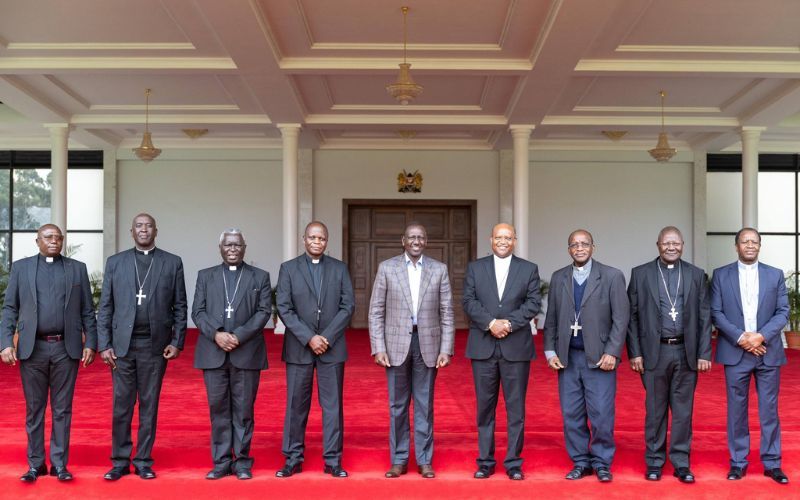
President Ruto has called for vigilance against those misusing religion, instructing investigations into suspicious activities. Ultimately, protecting Kenya's diverse faith landscape demands collective action.
Conclusion
The misuse of religion in Kenya—through exploitation, political co-opting, and extremism—poses significant challenges to social harmony and development. As of 2026, ongoing reforms and public discourse offer hope for change, but progress hinges on substantiating claims with evidence and representing all stakeholders. By prioritizing ethical faith practices, Kenya can reclaim religion as a force for good. Share your thoughts in the comments: How can we better safeguard against these abuses?



.jpg)


Extortion
ReplyDelete