The Ruto-Sakaja Sh80 Billion Nairobi Deal: A Bold Partnership or a Threat to Devolution?
Nairobi, the heartbeat of Kenya, is home to over 4.4 million residents who endure daily battles with traffic congestion, poor street lighting, overflowing waste, inadequate drainage, and security concerns. On February 17, 2026, President William Ruto and Nairobi Governor Johnson Sakaja signed a much-debated Cooperation Agreement at State House, unlocking an additional Sh80 billion in funding to fast-track infrastructure upgrades and make the capital more livable, secure, and efficient.


)
The deal promises targeted investments across key sectors:
- Street Lighting & Safety — Sh3.7 billion to add 40,000 new lights, upgrade 10,000 existing ones, shift to solar power, and even commercialize poles for advertising revenue.
- Power & Last-Mile Connections — Sh1.5 billion from Kenya Power for transformers and connections, especially in informal settlements.
- Roads, Drainage & Related Infrastructure — Billions allocated for ward-level roads, drainage improvements, water supply, sewerage, solid waste management, and Nairobi rivers regeneration.
- Security Enhancements — Plans for a new Nairobi Metropolitan Police Unit and broader urban safety measures.
- Housing & Urban Planning — Support for related projects to ease pressure on the city's growing population.
A high-level steering committee, chaired by Prime Cabinet Secretary Musalia Mudavadi with Governor Sakaja as deputy, will oversee the process, while an implementation committee led by Sakaja handles execution. President Ruto has insisted: "I have no interest in running Nairobi—let Sakaja and his people do their work." Sakaja calls it essential "refinancing," noting that Nairobi's revenue model hasn't evolved to match its unique role as the national capital since devolution in 2013.
Yet, the agreement has ignited intense controversy almost immediately.
The Backlash: Accusations of a Power Grab
Critics argue the pact echoes the controversial Nairobi Metropolitan Services (NMS) era, which faced issues like pending bills and weak oversight. Nairobi Senator Edwin Sifuna (ODM) has led the charge, labeling it a "backdoor takeover" and "unconstitutional." He highlights:
- The national government owes Nairobi County over Sh100 billion in unpaid land rates, rent, and dues from state agencies—clearing that would dwarf the Sh80 billion injection.
- No public participation occurred, breaching constitutional requirements for major intergovernmental decisions.
- The structure appears to subordinate the elected governor to national appointees, potentially eroding devolved powers.
Other voices, including politicians like Babu Owino and Millicent Omanga, warn of risks like fund misuse ahead of 2027 elections or a gradual recentralization of authority. Some Nairobi MCAs have even revived impeachment discussions against Sakaja, seeing the deal as an admission of county-level shortcomings.

Legal Hurdles on the Horizon
A High Court petition filed by Bernard Peter and Christine Gathoni seeks to suspend the deal, claiming it unlawfully shifts devolved functions, skips public input, and risks improper public spending. Justice Bahati Mwamuye certified the case urgent on February 18, 2026, setting up a potential constitutional showdown.
Defenses and Supporters
Ruto and Sakaja have defended the pact vigorously as a lawful collaboration under existing intergovernmental laws—not a handover. Some Nairobi MCAs and ward reps back it, calling it "timely and people-centered" to accelerate real change in roads, sanitation, lighting, and security. They question why critics would block help for a city struggling under outdated fiscal frameworks.
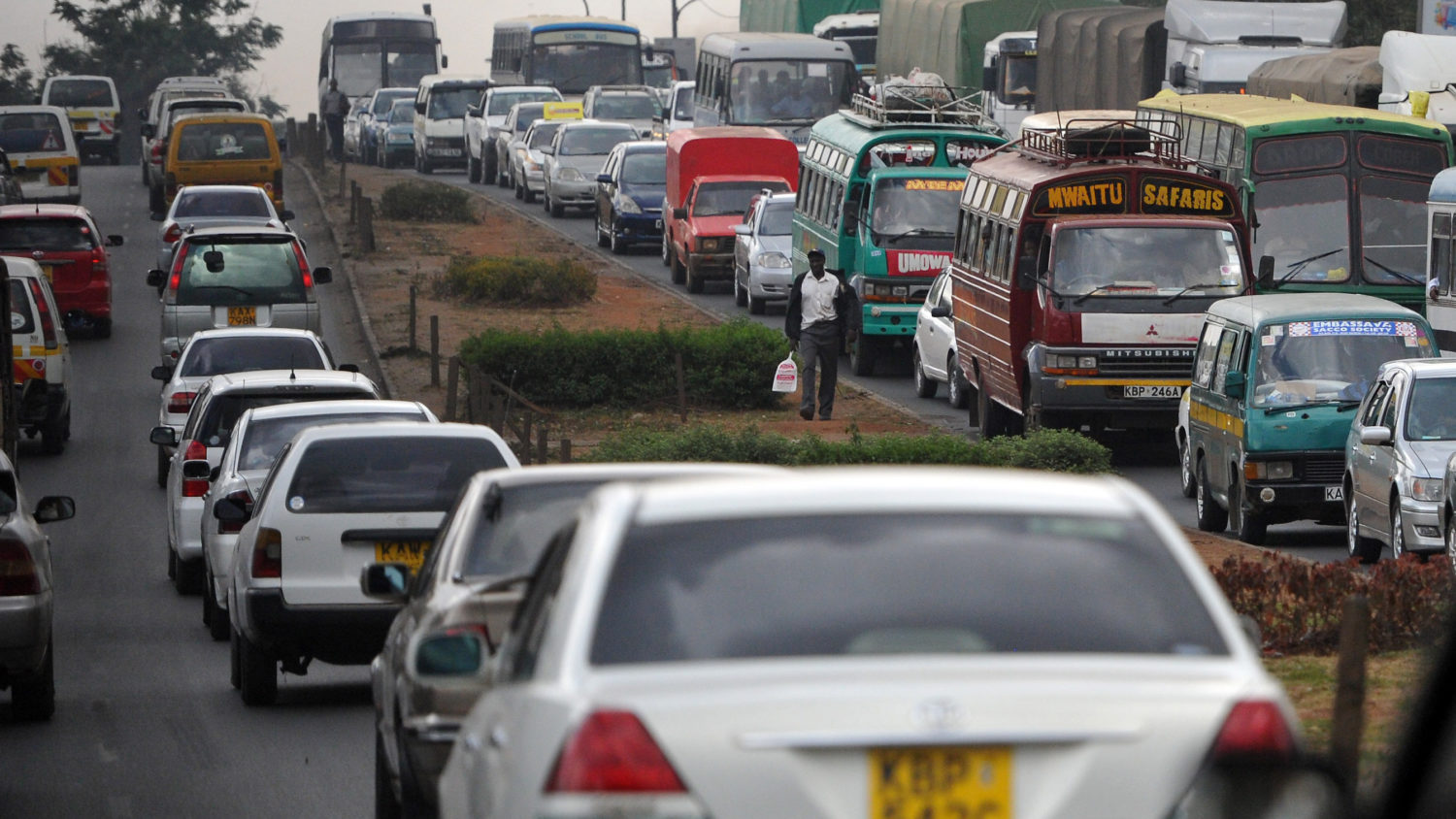
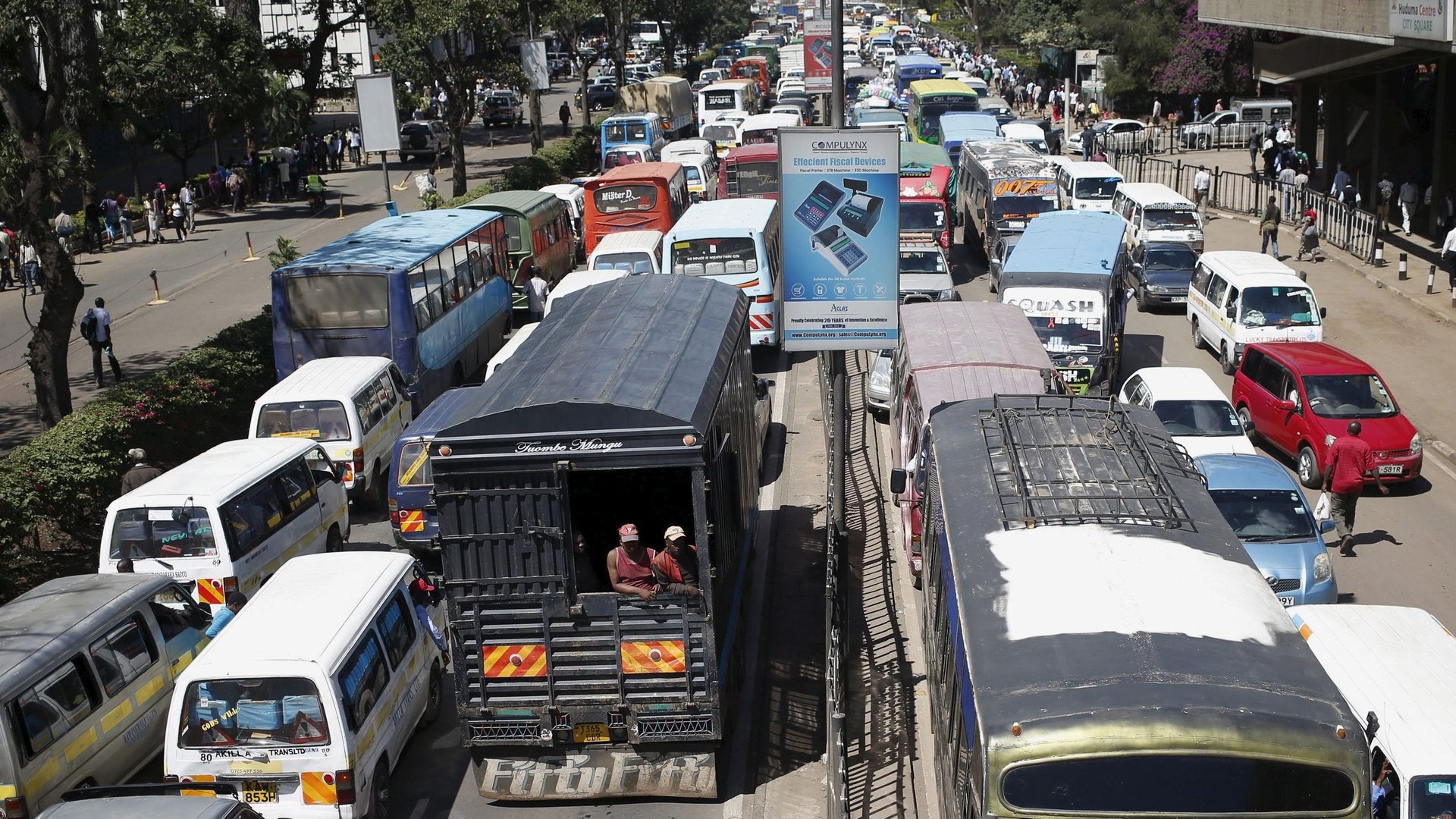
Nairobi's chronic issues—endless traffic jams, dark streets at night, and waste challenges—are visible everywhere.

Improved lighting could transform night-time safety and vibrancy.

The Bigger Picture
This Sh80 billion deal highlights ongoing tensions in Kenya's devolution experiment: How do national and county governments partner effectively without one overshadowing the other? Is it genuine support for a capital city buckling under pressure, or a subtle step toward recentralization?
As court proceedings loom, political heat rises, and Nairobians await concrete improvements, the coming months will test whether this agreement delivers transformation—or division.
What’s your take? Is this the boost Nairobi needs, or a risky precedent? Drop your thoughts in the comments below.
Nairobi, the heartbeat of Kenya, is home to over 4.4 million residents who endure daily battles with traffic congestion, poor street lighting, overflowing waste, inadequate drainage, and security concerns. On February 17, 2026, President William Ruto and Nairobi Governor Johnson Sakaja signed a much-debated Cooperation Agreement at State House, unlocking an additional Sh80 billion in funding to fast-track infrastructure upgrades and make the capital more livable, secure, and efficient.
The deal promises targeted investments across key sectors:
- Street Lighting & Safety — Sh3.7 billion to add 40,000 new lights, upgrade 10,000 existing ones, shift to solar power, and even commercialize poles for advertising revenue.
- Power & Last-Mile Connections — Sh1.5 billion from Kenya Power for transformers and connections, especially in informal settlements.
- Roads, Drainage & Related Infrastructure — Billions allocated for ward-level roads, drainage improvements, water supply, sewerage, solid waste management, and Nairobi rivers regeneration.
- Security Enhancements — Plans for a new Nairobi Metropolitan Police Unit and broader urban safety measures.
- Housing & Urban Planning — Support for related projects to ease pressure on the city's growing population.
A high-level steering committee, chaired by Prime Cabinet Secretary Musalia Mudavadi with Governor Sakaja as deputy, will oversee the process, while an implementation committee led by Sakaja handles execution. President Ruto has insisted: "I have no interest in running Nairobi—let Sakaja and his people do their work." Sakaja calls it essential "refinancing," noting that Nairobi's revenue model hasn't evolved to match its unique role as the national capital since devolution in 2013.
Yet, the agreement has ignited intense controversy almost immediately.
The Backlash: Accusations of a Power Grab
Critics argue the pact echoes the controversial Nairobi Metropolitan Services (NMS) era, which faced issues like pending bills and weak oversight. Nairobi Senator Edwin Sifuna (ODM) has led the charge, labeling it a "backdoor takeover" and "unconstitutional." He highlights:
- The national government owes Nairobi County over Sh100 billion in unpaid land rates, rent, and dues from state agencies—clearing that would dwarf the Sh80 billion injection.
- No public participation occurred, breaching constitutional requirements for major intergovernmental decisions.
- The structure appears to subordinate the elected governor to national appointees, potentially eroding devolved powers.
Other voices, including politicians like Babu Owino and Millicent Omanga, warn of risks like fund misuse ahead of 2027 elections or a gradual recentralization of authority. Some Nairobi MCAs have even revived impeachment discussions against Sakaja, seeing the deal as an admission of county-level shortcomings.
Legal Hurdles on the Horizon
A High Court petition filed by Bernard Peter and Christine Gathoni seeks to suspend the deal, claiming it unlawfully shifts devolved functions, skips public input, and risks improper public spending. Justice Bahati Mwamuye certified the case urgent on February 18, 2026, setting up a potential constitutional showdown.
Defenses and Supporters
Ruto and Sakaja have defended the pact vigorously as a lawful collaboration under existing intergovernmental laws—not a handover. Some Nairobi MCAs and ward reps back it, calling it "timely and people-centered" to accelerate real change in roads, sanitation, lighting, and security. They question why critics would block help for a city struggling under outdated fiscal frameworks.
Nairobi's chronic issues—endless traffic jams, dark streets at night, and waste challenges—are visible everywhere.
Improved lighting could transform night-time safety and vibrancy.
The Bigger Picture
This Sh80 billion deal highlights ongoing tensions in Kenya's devolution experiment: How do national and county governments partner effectively without one overshadowing the other? Is it genuine support for a capital city buckling under pressure, or a subtle step toward recentralization?
As court proceedings loom, political heat rises, and Nairobians await concrete improvements, the coming months will test whether this agreement delivers transformation—or division.
What’s your take? Is this the boost Nairobi needs, or a risky precedent? Drop your thoughts in the comments below.
.jpg)


Comments
Post a Comment