In the quiet village of Kanyakwar, Kisumu Central Sub-County, a routine Sunday afternoon turned into a nightmare on February 8, 2026. Four young brothers—aged approximately 8, 10, 13, and 15—drowned in an abandoned, water-filled quarry pit near Kudho Primary School. What started as innocent play and swimming escalated tragically when the youngest slipped into deeper waters, and his siblings bravely jumped in to rescue him, only to be overwhelmed by the steep, murky depths.
This devastating loss of an entire set of brothers from one family has plunged Kanyakwar into profound grief and sparked nationwide outrage over unregulated quarries that continue to claim lives across Kenya. Authorities, led by Kisumu Governor Anyang’ Nyong’o, responded swiftly with suspensions and probes, but many ask: How many more preventable deaths must occur before real change happens?
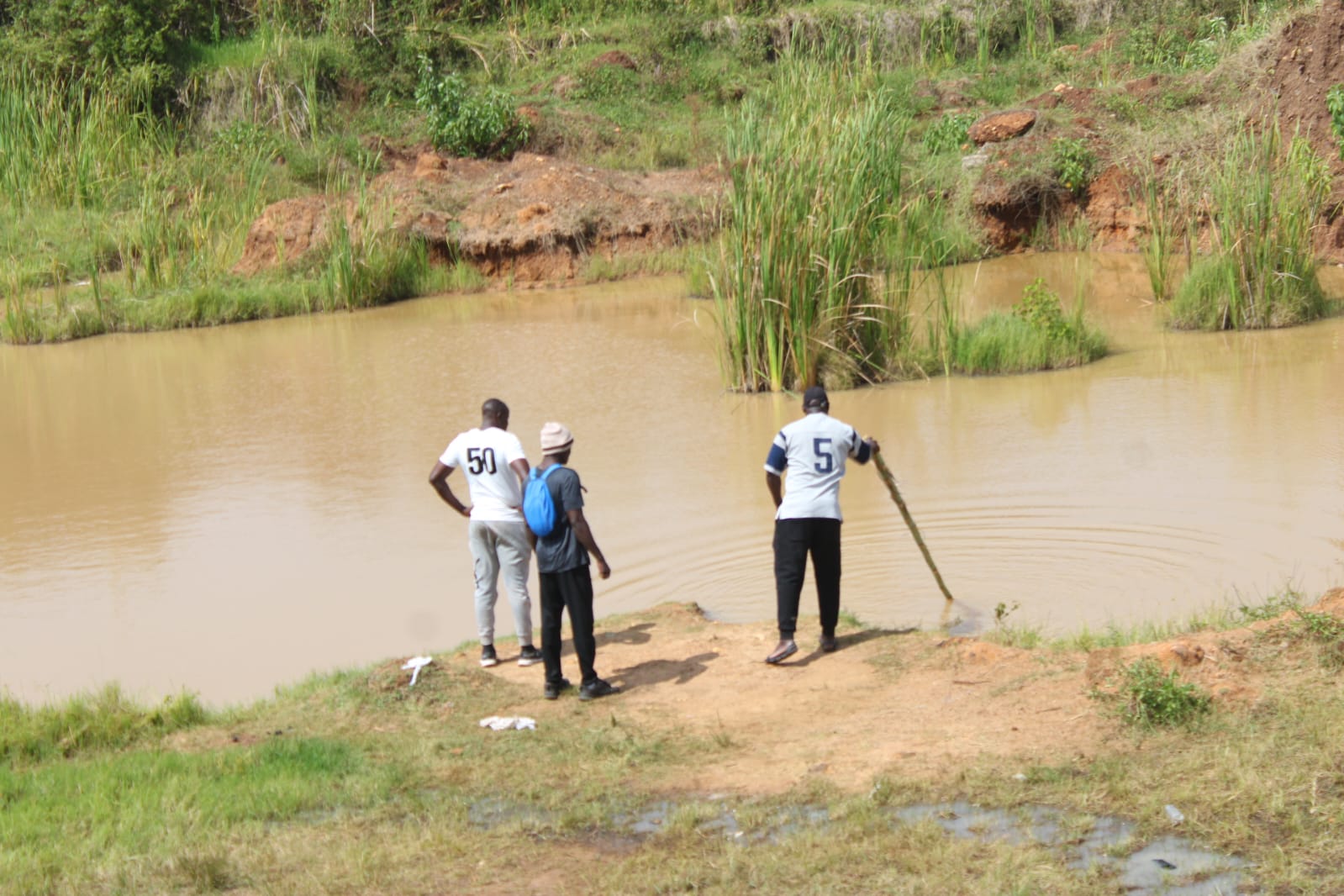
Police probe death of four brothers in Kisumu quarry
The photo above captures locals and responders at the water-filled quarry edge in Kanyakwar, highlighting the deceptive calm of these hazardous sites surrounded by tall reeds and uneven terrain.
Unfolding the Tragedy: A Detailed Account of the Incident
Eyewitnesses and officials describe a heartbreaking chain of events. The boys ventured to the abandoned pit—locally known as Kudho dam—which had filled with rainwater after mining ceased. One brother entered deeper water and began struggling. His three siblings instinctively dove in to save him, but the quarry's sudden drop-offs, slippery sides, and poor visibility proved fatal for all four.
Kondele Chief Maurice Ajwang confirmed: “They were swimming in the quarry when one of them drowned at the deep end. The others tried to save him but unfortunately, they all drowned.” Community members, police, and emergency teams later retrieved the bodies through a somber search operation as night fell.
Police investigations rule out foul play, pointing squarely to the unsecured, abandoned site as the cause. The quarry, like many in Kisumu, was left unrehabilitated after stone or murram extraction, turning it into a hidden danger in a residential area.
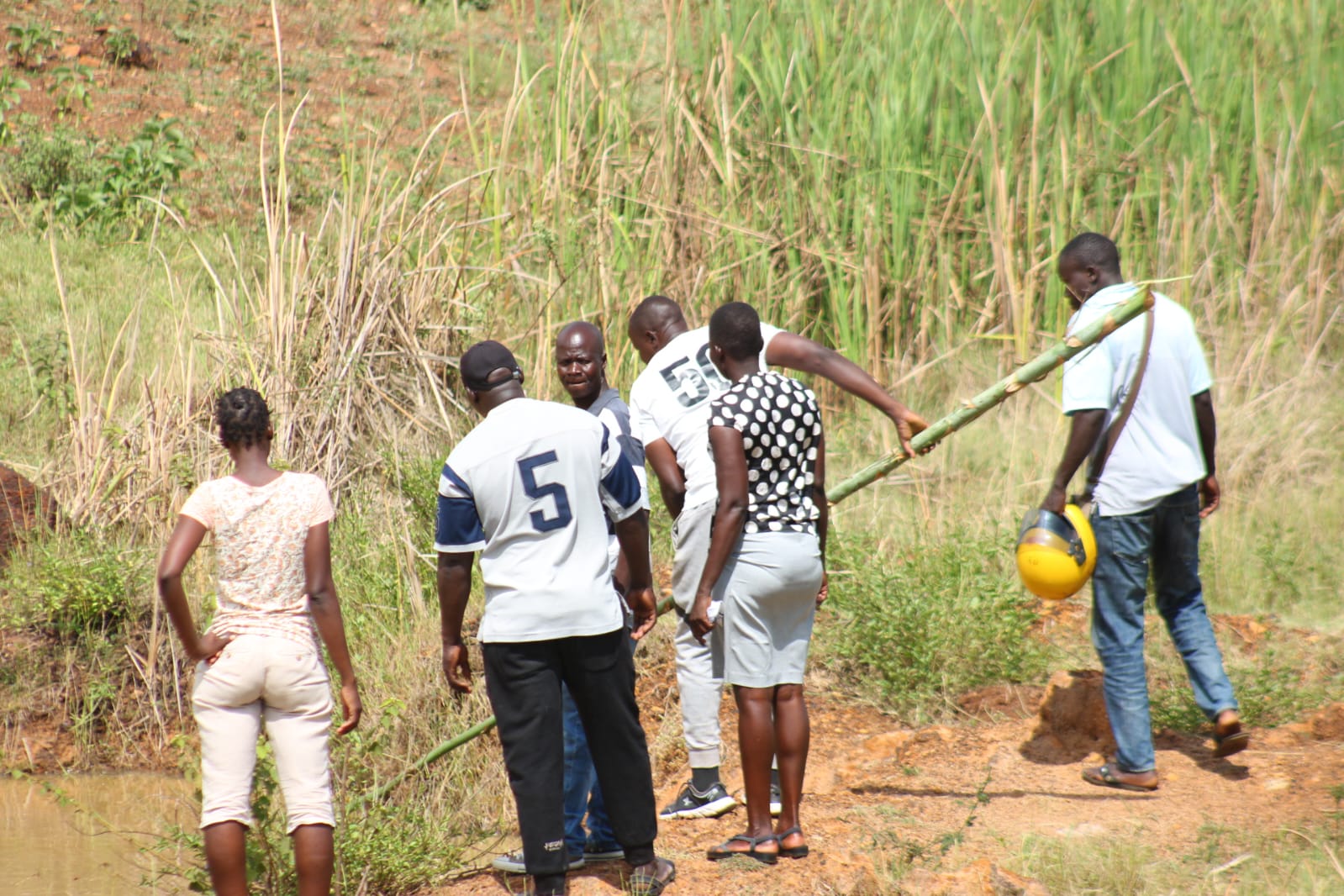
Police probe death of four brothers in Kisumu quarry
Community members gather at the quarry edge with makeshift tools during the recovery effort, underscoring the grassroots response in the absence of immediate heavy equipment.
These images reveal why such sites are lethal: steep rocky walls, murky brown water from sediment, and no barriers or warning signs—perfect traps for curious children during hot afternoons.
The Human Cost: Grief, Family Devastation, and Community Mourning
The family is shattered. Father Felix Otieno recounted the agony to media: the desperate search, the moment of discovery, and now the unbearable task of burying four sons. Relatives and neighbors in Kanyakwar describe a village in silence, broken only by wails and prayers. The boys were students, full of life, and their absence leaves classrooms empty and friends heartbroken.
This tragedy hits harder because it claimed siblings who died trying to protect each other—a story of courage amid horror. Social media overflows with condolences, with hashtags like #KisumuQuarryTragedy trending as Kenyans share outrage over neglected safety.
The broader community feels the pain too. Quarrying supports livelihoods in Kisumu, but abandoned pits degrade land, pollute, and endanger lives. Vigils, counseling for schoolchildren, and calls for support to help the family with burial costs show solidarity in grief.
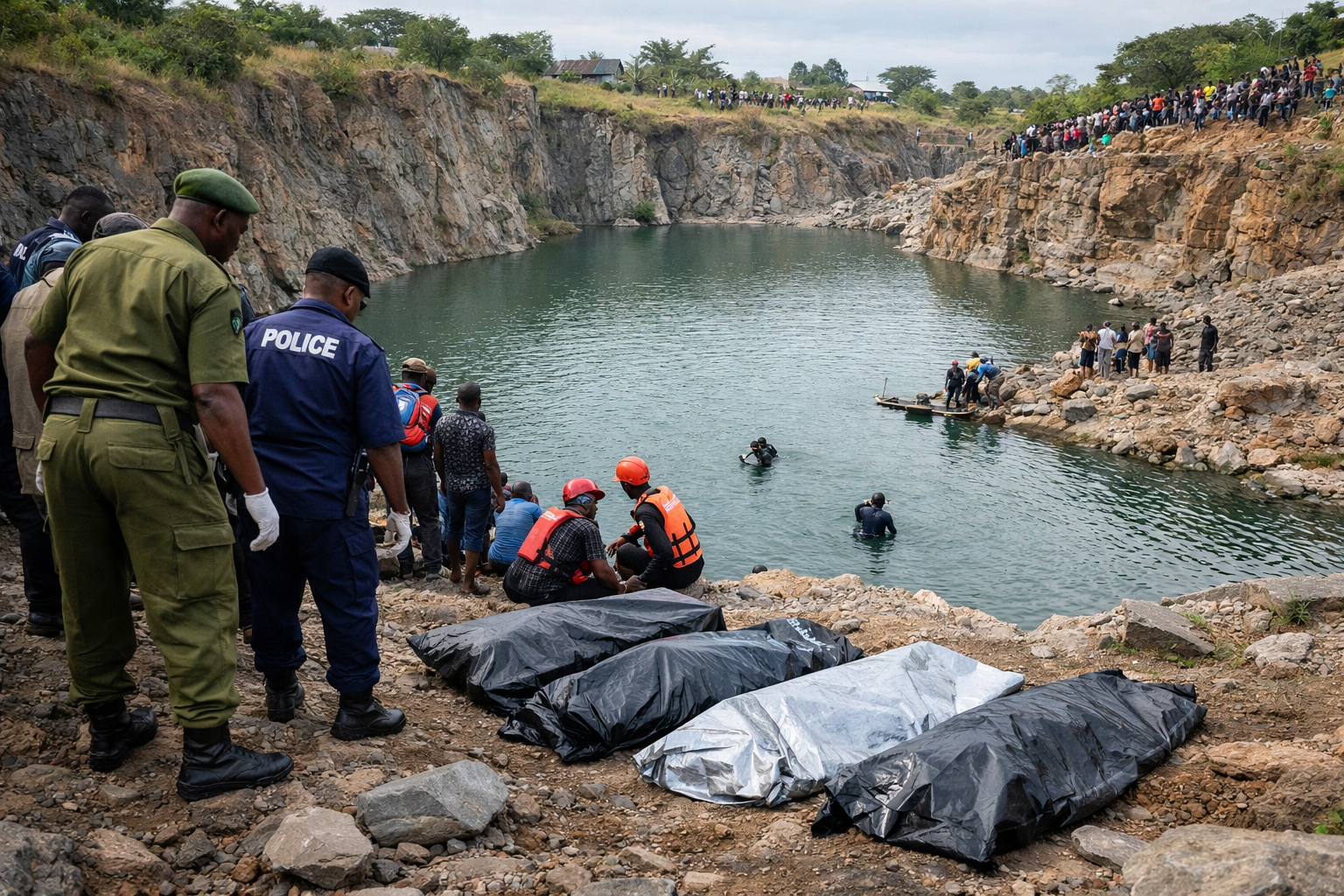
Quarry Horror: Four Siblings Drown in Kisumu Tragedy | Streamline ...
Rescue teams, police, and onlookers line the quarry rim during body recovery, with crowds gathered on the rocky slopes—a scene repeated too often in Kenya's unregulated mining zones.
Swift Government Action: Suspensions and Investigations
Kisumu Governor Anyang’ Nyong’o acted decisively on February 9, 2026, suspending all quarrying activities countywide—including murram and sand harvesting—until safety and environmental standards are met. In a press statement, he condoled the family and vowed crackdowns on illegal or abandoned sites.
NEMA (National Environment Management Authority) joins the probe, with potential fines, prosecutions, and mandatory rehabilitation orders for operators. Nationally, the incident revives demands for stricter enforcement of the Mining Act 2016, which requires site restoration but sees weak implementation.
Kisumu suspends quarrying activities after tragic death of four ...
Kisumu Governor Anyang’ Nyong’o addressing the public—his leadership has been central to the immediate response, including the quarrying ban aimed at preventing repeats.
These steps are welcome, but critics note they come reactively. Why weren't high-risk sites fenced, filled, or monitored earlier?
The Broader Crisis: Abandoned Quarries as Death Traps in Kenya
Thousands of abandoned quarries scar Kenya's landscape, especially in stone-rich areas like Kisumu, Machakos, and Kajiado. Left open after extraction, they collect rainwater, create deep ponds, and attract children lacking safe play spaces. Drowning claims over 1,000 lives yearly, many children under 15.
In Kisumu, quarrying drives construction but leaves environmental scars: dust, erosion, and hazards. Climate variability worsens the problem—erratic rains fill pits unpredictably. Similar incidents occur nationwide, from flooded quarries in urban slums to rural dams.
Experts call for:
- Mandatory fencing and signage
- Community monitoring
- Alternative livelihoods for miners
- Government-funded rehabilitation
International examples, like reclaimed sites in South Africa, show viable paths forward.
Swimming in abandoned quarry 'could be lethal'
An example of an abandoned quarry turned into a deep, deceptive water body—animals graze nearby, but the steep edges and unknown depths make it extremely dangerous for humans, especially children.
Preventing Future Tragedies: Actionable Steps and Recommendations
To honor these boys, Kenya must act now:
- Enforce site rehabilitation and secure all quarries with barriers.
- Launch awareness campaigns on water safety in schools and villages.
- Provide safe recreational spaces for children in rural areas.
- Strengthen NEMA and county oversight with community involvement.
- Support affected families through funds and counseling.
This Kisumu tragedy is a wake-up call. Abandoned quarries aren't just eyesores—they're preventable killers. By demanding accountability, supporting reforms, and remembering the four brave brothers, we can turn grief into lasting change.
Rest in peace to the young souls lost in Kanyakwar. May their story drive Kenya toward safer communities.



.jpg)


Comments
Post a Comment