Nairobi, the bustling heart of Kenya, has been gripped by severe transport disruptions in early February 2026. Matatu operators, frustrated by rising insecurity and alleged attacks from rogue boda boda riders, launched protests and partial strikes that paralyzed major roads, stranded thousands of commuters, and inflated transport costs. What began as threats of a nationwide shutdown evolved into chaotic "Maandamano Mondays," exposing deep cracks in urban mobility, law enforcement, and stakeholder relations.
This blog dives into the latest developments (as of February 10, 2026), the root causes, the human impact on everyday Nairobians, government responses, and potential paths forward. With images capturing the gridlock and desperation, we explore why this crisis matters—and what must change to restore sanity on Nairobi's roads.
Nairobi commuters stranded as matatu strike resumes despite ...
Long queues of stranded commuters stretch along Nairobi streets during the matatu strike resumption on February 9, 2026, forcing many to walk or pay exorbitant boda boda fares amid sparse public transport.
The Spark: Rising Violence Between Matatu and Boda Boda Operators
The core trigger is escalating conflict between matatu (public minibus) operators and boda boda (motorcycle taxi) riders. Reports highlight incidents where matatus allegedly collide with boda bodas, leading to rider deaths or injuries. In revenge, mobs—often linked to boda boda groups—torch or vandalize vehicles, causing millions in losses for owners.
Matatu Owners Association (MOA) President Albert Karakacha repeatedly accused authorities of failing to curb "boda boda impunity." Operators demanded arrests, compensation for torched vehicles, and stricter enforcement of road rules like helmet use and lane discipline.
By late January 2026, tensions boiled over. MOA announced protests, threatening to withdraw services starting Monday, February 2.
February 2, 2026: The First Major Disruption – "Maandamano Monday" Chaos
Despite last-minute talks leading the Federation of Public Transport Sector (FPTS) to suspend the action, many matatu operators ignored the call. Key roads became battlegrounds:
- Moi Avenue, Haile Selassie Avenue, Waiyaki Way, Thika Road approaches, Jogoo Road, Ngong Road, and Mombasa Road saw blockages.
- Police towed vehicles and confiscated number plates from blocking matatus.
- Commuters faced massive snarl-ups, long walks, or inflated fares (boda bodas charging 2–3× normal rates).
- Traffic came to a near-standstill in the CBD and outer areas.
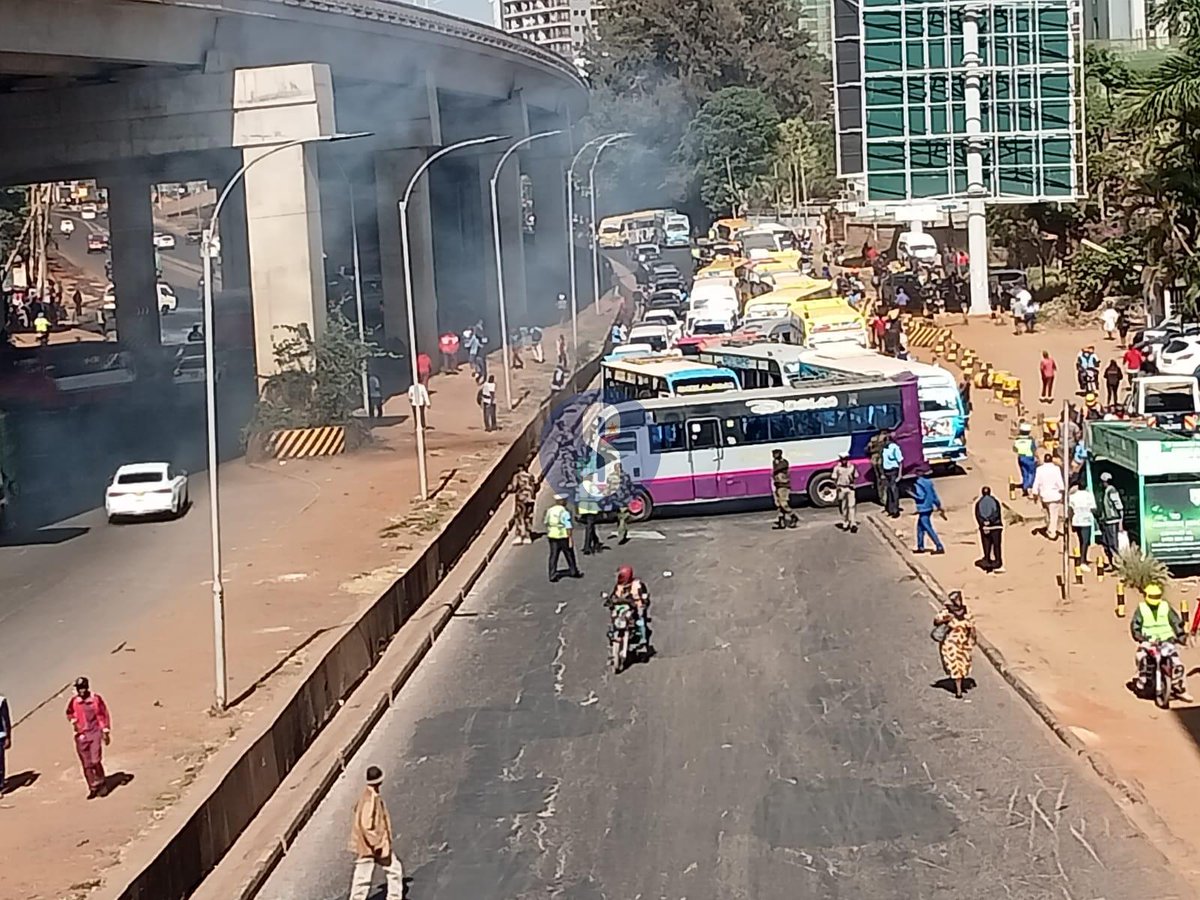
Traffic chaos hits Nairobi after operators block key city roads ...
Smoke rises over jammed vehicles and blocked roads under a Nairobi flyover during the February 2 matatu protest, with police and crowds visible amid the chaos.
The day highlighted divisions: MOA pushed hardline action, while some saccos followed the suspension. Boda bodas filled gaps but at premium prices, leaving many workers, students, and families stranded.
Escalation and Partial Relief: February 7–8 Negotiations
After intense consultations involving MOA leaders, Intercorridor Mobility reps (Joseph Kagai), Nairobi Regional Police Commander George Seda, and security agencies, operators suspended a second planned nationwide strike set for Monday, February 9.
The deal: A two-week pause to allow investigations into vehicle torchings, rollout of safety measures, and continued dialogue. Officials described it as "good faith" amid unresolved issues.
Commuters breathed temporary relief—until Monday arrived.
February 9, 2026: Strike Resumes Despite Suspension – Renewed Paralysis
Confusion reigned as sections of operators defied the agreement. Most matatus stayed off roads, leading to:
- Renewed stranding across Nairobi.
- Long queues at stages and bus stops.
- Walking commuters, sky-high boda boda/ride-hailing fares.
- Partial operations on some routes but widespread disruption.
The Star reported thousands scrambling for the few vehicles running, with the city "paralysed" once more. MOA insisted core grievances remained unaddressed, warning of potential future action.
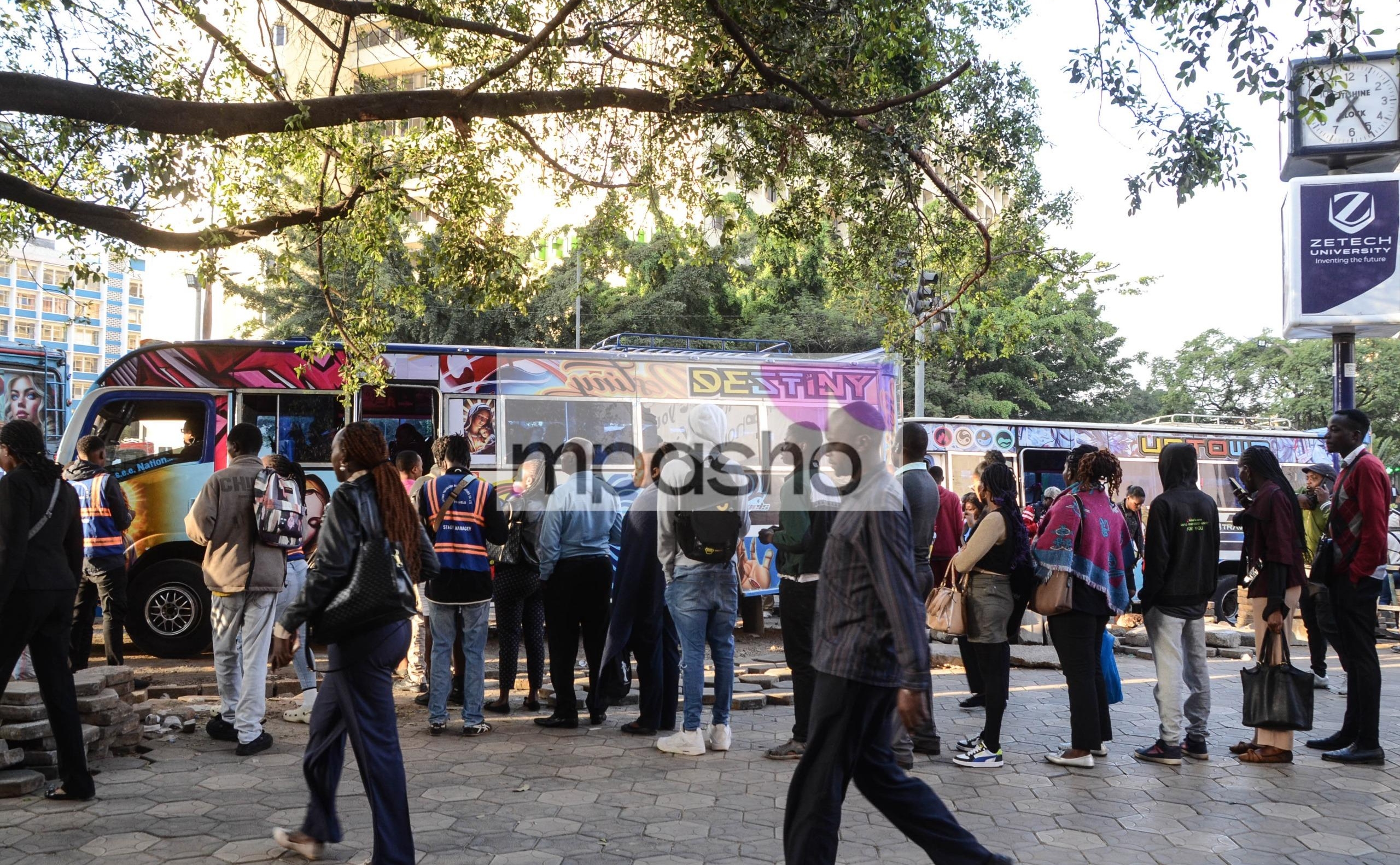
Albert Karakacha's Warning: Matatu Strike to Happen Every Monday ...
Crowds gather around colorful matatus at a Nairobi stage, waiting anxiously during the disruptions—many ended up walking long distances to work or home.
The Human and Economic Toll on Commuters
For ordinary Nairobians, the strikes meant:
- Time lost — Hours wasted in queues or walking kilometers.
- Financial strain — Fares doubled or tripled; some skipped work or school.
- Safety fears — Walking exposed people to risks, especially women and children at night.
- Productivity hit — Businesses suffered late staff arrivals; the economy felt the ripple.
Social media overflowed with frustration: photos of endless lines, videos of arguments at stages, and calls for permanent solutions.
Government and Stakeholder Response
Police cracked down on blockages but faced criticism for slow action on violence. Negotiations showed willingness to engage, yet operators demand concrete results: arrests, probes, and enforcement.
Calls grow for structured forums involving MOA, boda boda associations, NTSA, police, Nairobi County, and ride-hailing firms. Long-term fixes proposed include dedicated lanes, better regulation, and public alternatives like expanded bus rapid transit.
Current Status (February 10, 2026) and Outlook
As of early February 10, the two-week suspension technically holds, with no full strike active. However, spotty operations and lingering tensions could spark more issues. Commuters should:
- Leave early.
- Use apps (Google Maps, Little) for live traffic.
- Have backups (walk, share rides).
- Monitor Citizen Digital, The Star, Nation Africa, or police alerts.
This crisis reveals systemic failures in Kenya's urban transport: unregulated competition, weak enforcement, and economic pressures on operators. Without reforms, "Maandamano Mondays" may become routine.
Nairobi deserves reliable, safe, affordable mobility. Turning grief and frustration into dialogue and action is the only way forward.
Rest easier knowing change starts with awareness—share this if you've been affected. Stay safe on the roads! 🚍🏍️🚶♂️


.jpg)


Comments
Post a Comment