Imagine a network of satellites orbiting Earth, constantly bathed in sunlight, powering massive AI computations without the limitations of terrestrial infrastructure. This isn't science fiction; it's the core of SpaceX's plan, leveraging their expertise from the Starlink constellation, which already boasts around 10,000 operational satellites. The proposal highlights how space-based data centers could alleviate the strain on power grids, reduce environmental impacts, and scale AI capabilities exponentially. As AI integrates deeper into daily life—from autonomous vehicles to personalized medicine—the need for efficient, sustainable computing has never been greater.
This blog dives deep into the details of SpaceX's filing, exploring its technical aspects, potential benefits, challenges, and broader implications. Whether you're a tech enthusiast, investor, or curious about the future of AI and space, this comprehensive guide will unpack what this means for our world. Let's blast off into the specifics.
SpaceX's Orbital AI Data Center - Science Techniz
The Background: SpaceX's Journey from Rockets to Orbital Computing
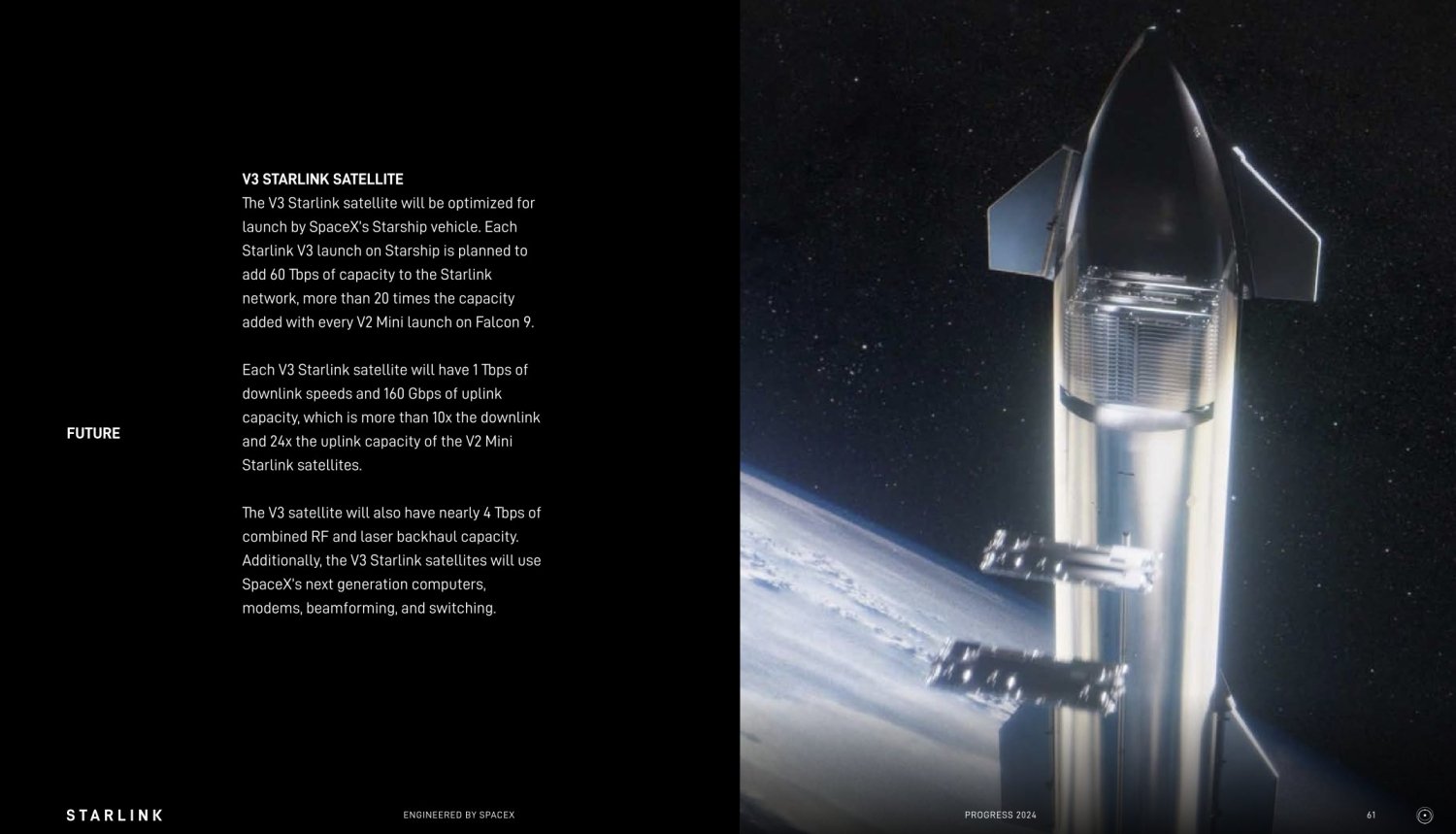
SpaceX, founded by Elon Musk in 2002, has revolutionized space travel with reusable rockets like Falcon 9 and the ambitious Starship vehicle. Their Starlink project, aimed at providing global broadband internet, has deployed thousands of satellites in low Earth orbit (LEO), demonstrating the feasibility of large-scale constellations. Now, with AI's explosive growth—driven by companies like OpenAI, Google, and Musk's own xAI—SpaceX sees an opportunity to extend this expertise into computing.
The demand for AI compute is staggering. Training models like GPT-4 requires immense energy, often equivalent to the annual consumption of thousands of households. Terrestrial data centers face bottlenecks: limited power availability, high cooling costs (billions of gallons of water annually), and infrastructure delays. SpaceX argues that orbiting data centers address these by tapping into "near-constant solar power" and using radiative cooling in the vacuum of space, which is far more efficient than Earth-based systems.
This filing isn't isolated; it aligns with reports of potential mergers between SpaceX and xAI, Musk's AI venture. xAI's Grok models could benefit from dedicated orbital hardware, outpacing rivals constrained by ground-based resources. Historically, SpaceX has over-filed for satellites—requesting 42,000 for Starlink but deploying fewer—to allow flexibility in design and deployment. With only about 15,000 satellites currently in orbit worldwide, approving 1 million would be unprecedented, but it signals Musk's long-term vision.
The proposal builds on decades of space-based solar power concepts, dating back to the 1970s, but advances in reusable launch technology make it viable now. Starship, capable of launching millions of tons per year, could deploy these satellites at a fraction of historical costs. This shift could democratize AI access, enabling applications for billions while reducing Earth's environmental footprint.
Details of the FCC Filing: What SpaceX is Proposing
The FCC application, submitted on January 30, 2026, outlines a constellation of up to 1 million satellites operating in LEO at altitudes between 500 km and 2,000 km. These would include 30-degree inclined orbits and sun-synchronous orbits (SSO) to maximize solar exposure, ensuring near-continuous power generation. The satellites would interconnect via high-bandwidth optical laser links, forming a mesh network for seamless data transfer.
SpaceX describes the system as having "unprecedented computing capacity" to power advanced AI models and applications serving billions. No specific timeline is provided for deployment, but the filing emphasizes scalability, projecting that launching 1 million tonnes of satellites annually—at 100 kW of compute per tonne—could add 100 gigawatts of AI compute capacity each year. This dwarfs current terrestrial expansions.
The satellites would primarily use optical inter-satellite links for communication, with backup Ka-band spectrum on a non-interference basis. SpaceX commits to environmental mitigations, including automated collision avoidance, low-altitude testing, and deorbiting protocols to prevent space debris. They also plan for hardware recycling in disposal orbits, a nod to sustainable space practices.
While the 1 million figure is likely a maximum for negotiation—similar to Starlink's strategy—the filing underscores SpaceX's confidence in Starship's mass-launch capabilities. FCC approval would require addressing spectrum allocation, interference, and orbital congestion concerns.
Technical Innovations: Solar Power and Radiative Cooling in Space
At the heart of this proposal are innovative technologies that make orbital data centers feasible. Solar panels on the satellites would capture uninterrupted sunlight, free from atmospheric interference or night cycles, providing reliable energy. In SSO, satellites follow the Earth's terminator, maximizing exposure.
Cooling is another breakthrough: In space, heat dissipates radiatively into the vacuum, eliminating the need for water-intensive systems that plague ground data centers. This passive method could save billions of gallons of water yearly and reduce energy overhead.
The constellation would use agile electric propulsion for precise maneuvers, ensuring safe operations in crowded orbits. Laser communications enable low-latency data exchange, crucial for AI inference tasks. SpaceX plans multiple satellite variants tailored to different orbital shells, optimizing for compute density and efficiency.
Integration with Starship allows cost-effective launches, with projections showing space-based AI compute becoming cheaper than terrestrial within years. Brightness mitigations address astronomy concerns, building on Starlink's DarkSat and VisorSat experiments.
Benefits: Efficiency, Sustainability, and Scalability
The advantages are multifaceted. Environmentally, orbital data centers reduce reliance on fossil fuels and water, fostering sustainable AI growth. Economically, low operational costs and rapid scaling could lower AI development barriers, benefiting industries worldwide.
For humanity, this supports Musk's multi-planetary goals, providing compute for Mars missions or beyond. It could enable real-time AI for global challenges like climate modeling or disaster response.
Space-based solar power - Wikipedia
Challenges and Criticisms: From Congestion to Regulatory Hurdles
Despite the promise, hurdles abound. Orbital congestion risks Kessler syndrome, where debris cascades could render orbits unusable. Astronomers worry about light pollution disrupting observations.
Regulatory approval is uncertain; the FCC may cap the number far below 1 million. Technical challenges include radiation hardening hardware and ensuring low-latency Earth links.
Critics question the environmental irony of launching so many satellites, though SpaceX emphasizes deorbiting and recycling.
Future Implications: AI, Space Economy, and Beyond
If realized, this could transform the space economy, spurring investments in orbital manufacturing and AI. It might accelerate AI advancements, from drug discovery to autonomous systems.
Broader societal impacts include equitable AI access, but also concerns over centralization under Musk's empire. This filing could inspire competitors, hastening a new space race focused on compute.
Conclusion: A Giant Leap for AI and Humanity
SpaceX's proposal for 1 million orbital AI satellites is a bold bet on the future, blending space tech with AI to solve Earth's pressing problems. While challenges remain, its potential to unlock sustainable, scalable computing is immense. As we watch the FCC's decision, one thing is clear: the stars are no longer the limit—they're the next frontier for innovation.




.jpg)


Comments
Post a Comment